

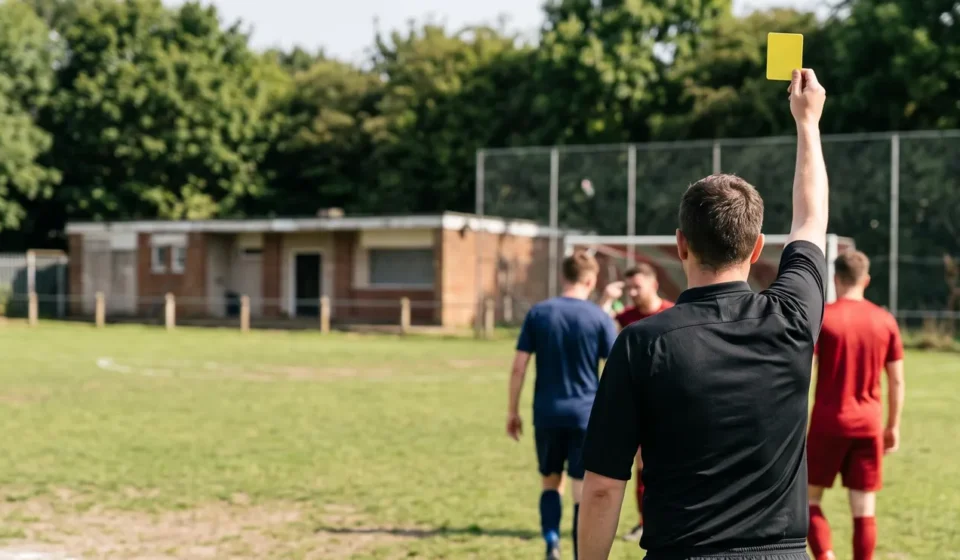

Image generated with AI. Art direction: Grafica.
I use AI to draft. I also sign every post on this blog, so the question in the title is one I have to answer for my own site before I answer it for a client’s.
Published on this blog
How we use AI at Grafica, and the four things it is not allowed to do
By Luis Gallego
October 5, 2026 / 4 min read
Drafted with AI. Read and signed by a person.
0 manual actions against this site
13 of 15 posts on Google
blog.grafica.group · read in our own Search Console account, 9 October 2026
The short answer: Google does not ask who typed a post. It asks what the post is worth to the person reading it.
What the rule says
Google’s guidance on generative AI content, last updated on 1 October 2026, does not forbid it. It says AI can help with research and with giving structure to original work. What it says may break its spam policy is producing many pages that add nothing for the reader. Google calls that scaled content abuse.
The same page says two things that get less attention. AI output can be wrong, so somebody should check the facts before publishing, down to the title and the description. And a site should consider telling its readers how automation was used. Ours is written down in How we use AI at Grafica.
What our own account shows
On 9 October 2026 we opened Google Search Console for this site and read two things.
- Manual actions, the report where Google lists penalties it has applied by hand: 0. It read «No issues detected».
- The 15 posts this blog had that day, looked up one address at a time: 13 were on Google.
The other 2 were unknown to Google that day. One had been published that same day. Unknown means Google has no record of the address yet. To be sure the tool could say no, we gave it an address that does not exist, and it read unknown too. So a yes from it is not automatic.
Being indexed is not the same as ranking well, and one small blog proves no rule. What the reading does show is narrower and still useful: posts drafted with AI and read by a person were on Google that day, with no manual action recorded against the site.
Where the risk is
The risk is volume with nobody behind it. Thirty posts in a week that no one at the company has read. Posts that only restate other people’s news. A page whose figures nobody looked up.
My position is the one I hold about code. AI is the race car: it gives speed. Someone still has to drive, and someone has to answer for the page with their name on it. I wrote about that with a real project in AI is the race car. Your website still needs a driver.
Three questions before an AI draft goes out
- Who read it, line by line, and will that person sign it?
- Which figure in it did someone look up at its source, and on what date?
- What is the one check or decision a reader can make after reading it? If you cannot name it, do not publish.
Then read your own account. In Search Console, open Manual actions under Security & Manual Actions. Then paste each post’s address into URL inspection. It gives you a fact instead of a guess.
Gráfica built this survey as a WordPress plugin, and builds plugins like it for clients. Tell us what your site needs